
Why CS2 cases go up in price: the drop pool, rotation and how case prices grow
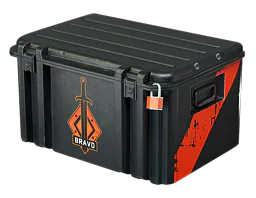
The Operation Bravo Case used to drop for free after a match; today it costs as much as a decent knife. Cases are the only CS2 item whose supply keeps shrinking while demand holds for years. This guide covers the whole mechanism: where cases come from, what the active and rare drop pools are, what happens to the price after a case leaves rotation, who buys cases in bulk and why, and what to look at if you want to understand which case will grow.
In short: three forces that move a case price
- Supply. New cases come only from the weekly drop to players whose case is in the active drop pool. Once a case leaves rotation, almost no new copies appear, and every opening destroys one case forever.
- Demand. Cases are opened by the millions every week: a key costs a fixed $2.49 and the drop can be sold right away. Add investors, streamers and the Chinese market, where cases are a common way to keep money inside Steam.
- Valve. Valve can bring an old case back into rotation, release a new one, change drop or trading rules. That is the main risk: a case price rests on the expectation that supply will not grow.
Where cases come from: the weekly drop and the drop pool
The only source of new cases is the weekly drop. A Prime account gets one item per week for levelling up: a case, a graffiti or a skin from an active collection. Which case drops is decided by the drop pool — the list of cases in the giveaway. It has two levels.
- Active drop pool — recent cases that drop with the main weight. Usually the last 6–10 cases.
- Rare drop pool — older cases that drop noticeably less often. Valve introduced it in 2018 so that old cases neither vanish completely nor lose value.
- Discontinued — cases that do not drop at all. The only way to get one is to buy it from another player.

Moving between these levels is the "rotation" investors talk about. A case leaves the active pool — supply drops several times over. A case moves from the rare pool to discontinued — supply goes to zero. We track every drop pool change and mark these events on price charts so you can see how the market reacted.
Why demand for cases does not fade
A case is useless on its own: opening it needs a $2.49 key that is bought only in-game and has not been tradable on the Market since 2019. So the case price is effectively an "entry fee" to the contents. As long as there are desirable skins and knives inside, cases will be bought and opened, and every opening permanently reduces the number of cases.
- Openings. The most popular cases are opened hundreds of thousands of times a day. That is a constant burn of supply.
- Investors. Cases are the most liquid CS2 item: they can be sold at any moment and the spread between buy and sell is minimal. That is why people "park" money in cases inside Steam and buy them by the thousands after a case leaves rotation.
- Regional demand. In China and in countries without convenient Steam payments, cases and keys are a way to move balance between accounts and platforms.
- News. The CS2 release, big updates, Majors and operations bring new players — and new openers.
What happens to the price when a case leaves rotation
The classic scenario looks like this. While a case is in the active pool its price sits near the floor — often a few dozen cents, because supply is constantly replenished. Leaving the active pool rarely causes an instant jump: investors already hold stock and sell it into the market for the first months. Growth starts when that stock is drained by openings — usually after a year or a year and a half — and then the price rises along with shrinking supply.
But not always. Cases with a very large print run or unpopular contents can stand still for years. So look at real statistics rather than a "rule": on the rotation history page we compute what happened to every case price 30, 90, 180 and 365 days after it left the pool — from the actual Steam sales history.
The most expensive CS2 cases today
The most expensive cases are always the oldest and long discontinued ones. They share one thing: supply stopped being replenished many years ago, while people keep opening them for skins available nowhere else. Prices below are live, at the best offer across marketplaces.
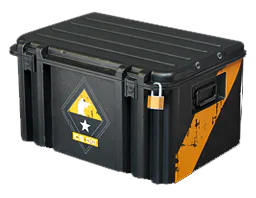 CS:GO Weapon Case $100.35 20132 Operation Bravo Case $52.66 20133
 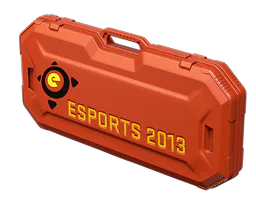 eSports 2013 Case $42.99 20144
  Operation Hydra Case $27.20 20175
  CS:GO Weapon Case 2 $19.18 20136
 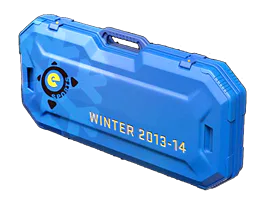 eSports 2013 Winter Case $12.25 20147
  eSports 2014 Summer Case $11.00 20148
  CS:GO Weapon Case 3 $10.38 2013
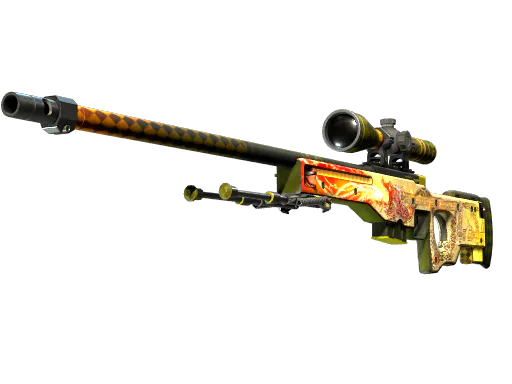
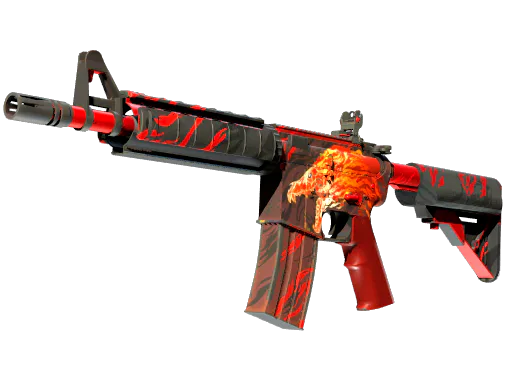
Note that most of them contain skins worth tens of times more than the case itself — AWP | Dragon Lore, M4A4 | Howl, AK-47 | Case Hardened with rare patterns. That is what holds the case price: as long as there is a chance of such a drop, the case will be opened.




The cheapest cases: why they cost pennies
At the other end are cases from the active pool. They drop by the millions, so the price sits at the market minimum. That does not make them bad: cheap cases give the best return per dollar when opening, because almost the entire cost of an opening is the key, not the case. You can check the return of any official case in the checker.
 Kilowatt Case $0.11 20242
  Revolution Case $0.17 20233
  Snakebite Case $0.21 20214
  Recoil Case $0.25 20225
  Clutch Case $0.38 20176
  Fracture Case $0.40 20207
 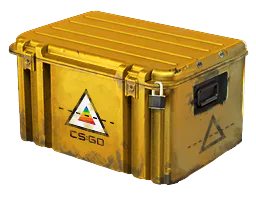 Prisma Case $0.54 20198
  Fever Case $0.55 2025
What to look at if you want to know which case will grow
- Drop pool status. A case in the active pool hardly grows. The first signal is a move to the rare pool, the second is full removal. Watch the drop pool: changes usually coincide with major updates.
- Contents. Cases with iconic skins and popular knives keep opening demand for decades. Cases with forgettable collections grow more slowly.
- Market stock. The number of listings on the Steam Market and marketplaces shows how many cases are still "in hands". While there are hundreds of thousands of listings, growth is far away.
- Opening volume. Indirectly visible in the number of fresh skins from the case on marketplaces and in the case sales volume on Steam.
- Valve actions. Returning a case to the drop (it has happened before with major updates) crashes the price within days. That is the main risk of any case position.
Buying and selling cases: fees and limits
On the Steam Market the seller receives the price minus 15% (5% Steam and 10% game fee); the money stays in the Steam wallet and cannot be withdrawn. Marketplaces charge lower fees and pay out to a card, but prices are usually a bit below Steam. Purchases come with transfer restrictions — keep them in mind if you plan to resell quickly. Current fees and best prices for every case are on its page in the cases section.
| Where | Seller fee | Cash out | Best for |
|---|---|---|---|
| Steam Community Market | 15% | No, Steam wallet only | Buying keys and other items |
| Marketplaces (Skinport, market.csgo, DMarket etc.) | usually 2–12% | Yes, to a card or wallet | Converting to real money |
| Direct trades between players | 0% | Depends on the deal | Large volumes without fees, but with risk |
Real statistics: what happened to every case price 30, 90, 180 and 365 days after leaving the drop pool.
Case rotation historyPreguntas y respuestas
Why are old CS2 cases so expensive?
They have not dropped for years and every opening destroys one case. Supply shrinks year after year while demand for the skins inside — AWP | Dragon Lore or M4A4 | Howl, for example — does not disappear. The price grows as long as the case keeps being opened.
What is the drop pool?
The list of cases that can appear in the weekly drop. The active pool drops with the main weight, the rare pool noticeably less often, discontinued cases do not drop at all. The current composition is on the drop pool page.
How long until a case grows after leaving rotation?
Usually the price barely moves for the first months while investors sell their stock. Noticeable growth more often starts after a year or so, when the stock is drained by openings. Real numbers for every case are on the rotation history page.
Which case should I buy so that it grows?
We do not give investment advice. Historically, cases with iconic skins, small remaining stock and full removal from the drop grew faster. The main risk is Valve bringing a case back into the drop.
Can I withdraw money from selling cases on Steam?
Not from the Steam Market — the money stays in the Steam wallet. To convert to real money, cases are sold on marketplaces with lower fees, usually at a slightly lower price.
Why does a case from the active pool cost a few cents?
Because it drops to millions of players every week and supply is constantly replenished. The price sits at the market minimum until the case leaves the active pool.